Building Reliable Network Infrastructure in Manchester
In today's digital age, a reliable network infrastructure is crucial for businesses in Manchester. As companies increasingly rely on technology for their operations, the need for a robust network becomes more apparent. This post will explore the essential components of building a reliable network infrastructure, the challenges faced, and practical solutions to ensure your network can support your business needs.
Understanding Network Infrastructure
Network infrastructure refers to the hardware and software resources that enable network connectivity, communication, operations, and management. This includes:
Routers and Switches: Devices that direct data traffic and connect different network segments.
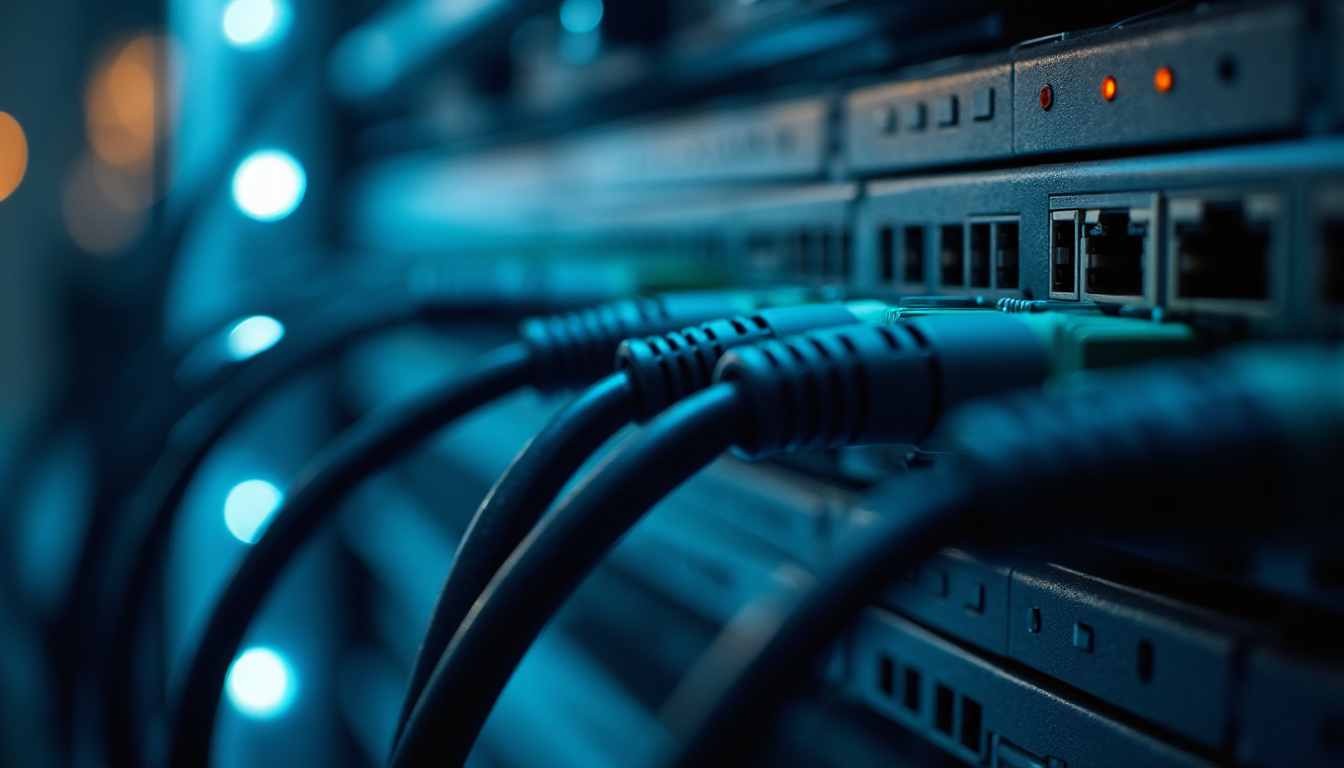
Cabling: Physical wires that connect devices within a network.
Firewalls: Security devices that monitor and control incoming and outgoing network traffic.
Access Points: Devices that allow wireless devices to connect to a wired network.
Importance of Reliable Network Infrastructure
A reliable network infrastructure is vital for several reasons:
Business Continuity: Ensures that operations can continue without interruption.
Data Security: Protects sensitive information from unauthorized access.
Scalability: Allows businesses to grow without needing a complete overhaul of their network.
Performance: Enhances the speed and efficiency of data transfer.
Key Components of a Reliable Network Infrastructure
1. Hardware
Investing in quality hardware is the foundation of a reliable network. This includes:
High-Performance Routers and Switches: Choose devices that can handle your expected data load and provide redundancy.
Cabling: Use high-quality cables, such as Cat6 or fiber optics, to ensure fast and reliable connections.
2. Software
Network management software is essential for monitoring and maintaining your network. This includes:
Network Monitoring Tools: These tools help identify issues before they become critical.
Security Software: Implement firewalls and antivirus programs to protect your network from threats.
3. Security Measures
Security is a top priority for any network. Consider the following measures:
Firewalls: Deploy both hardware and software firewalls to create multiple layers of security.
Encryption: Use encryption protocols to protect data in transit.
4. Redundancy
Redundancy ensures that your network remains operational even if one component fails. This can be achieved through:
Backup Systems: Implement backup routers and switches.
Multiple Internet Connections: Use more than one Internet Service Provider (ISP) to ensure connectivity.
Challenges in Building Network Infrastructure
1. Budget Constraints
Building a reliable network can be expensive. It's essential to balance quality with cost. Consider:
Prioritizing Needs: Identify the most critical components and invest in those first.
Phased Implementation: Roll out your network in phases to spread out costs.
2. Technical Expertise
Not all businesses have the in-house expertise to build and maintain a network. Solutions include:
Hiring Experts: Consider hiring a network consultant or managed service provider.
Training Staff: Invest in training for existing staff to enhance their skills.
3. Rapid Technological Changes
Technology evolves quickly, making it challenging to keep up. To address this:
Stay Informed: Regularly review industry trends and updates.
Flexible Infrastructure: Design your network to be adaptable to new technologies.
Best Practices for Building a Reliable Network
1. Assess Your Needs
Before building your network, assess your business needs. Consider:
Number of Users: Estimate how many devices will connect to the network.
Data Usage: Analyze the type and amount of data that will be transmitted.
2. Plan for Growth
Design your network with future growth in mind. This includes:
Scalable Solutions: Choose hardware and software that can grow with your business.
Flexible Architecture: Implement a modular design that allows for easy upgrades.
3. Regular Maintenance
Regular maintenance is crucial for keeping your network reliable. This includes:
Routine Checks: Schedule regular inspections of hardware and software.
Updates: Keep all systems updated to protect against vulnerabilities.
4. Documentation
Maintain thorough documentation of your network infrastructure. This should include:
Network Diagrams: Visual representations of your network layout.
Configuration Settings: Detailed records of device settings and configurations.

Conclusion
Building a reliable network infrastructure in Manchester is essential for businesses looking to thrive in a digital world. By understanding the key components, addressing challenges, and following best practices, you can create a network that supports your business needs now and in the future. Remember, investing in a strong network infrastructure is not just about technology; it's about ensuring your business can operate smoothly and securely in an increasingly connected environment.
Take the first step today by assessing your current network and identifying areas for improvement. Your business's success depends on it.

Comments